Why Minimalist Watches Are Trending in 2026
I used to think a watch was just a tool—something you glance at when your phone’s battery dies. But lately, I’ve been noticing more wrists showing up with bare-bones dials, no logos shouting for attention, just a clean circle of time. It’s not a coincidence. Minimalist watches are quietly taking over in 2026, and the reasons go way beyond fashion.
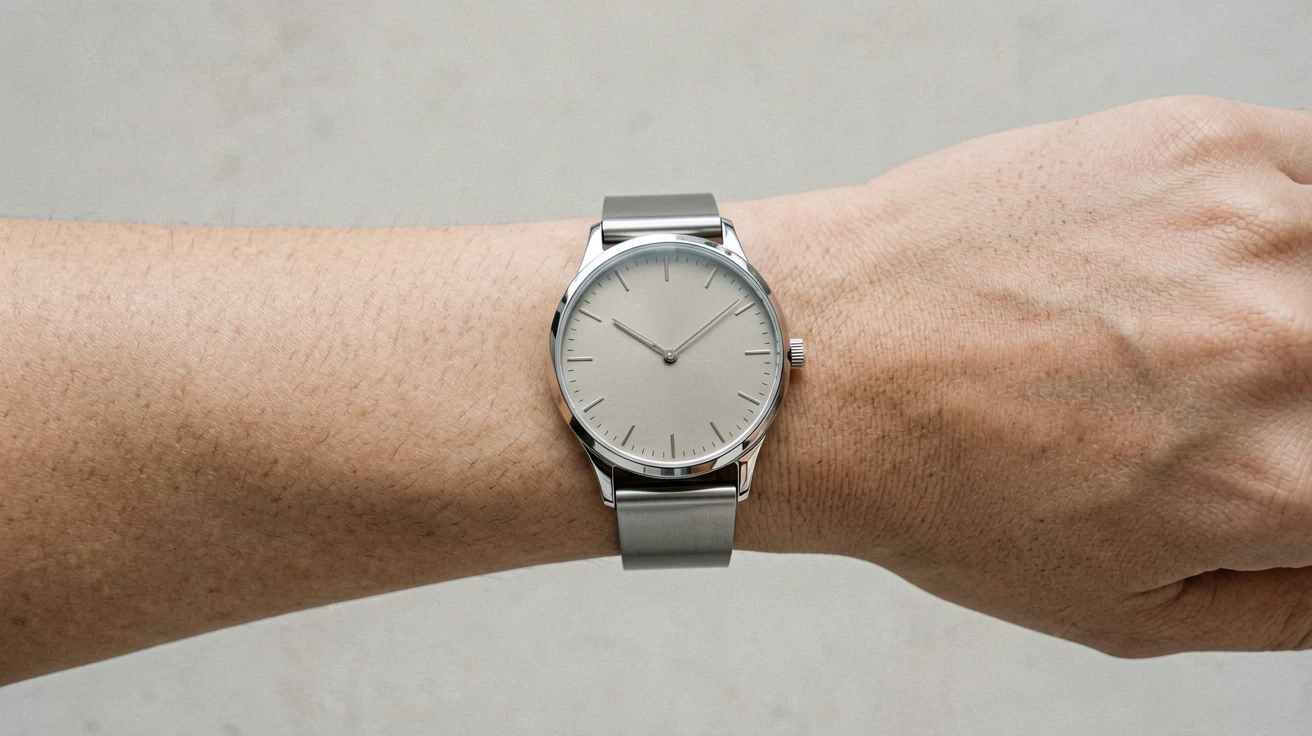
The noise cancels out
We’re drowning in notifications. Smartwatches buzz, beep, and demand your attention every few minutes. The charm of a minimalist watch is the opposite: it does one thing and does it well. No apps, no calls, no step counter guilt. Just the time. For people who want a break from the screen glare, putting on a stripped-down analog watch feels like pressing mute on the rest of the world. It’s a deliberate choice to slow down, even if just for a second.
Versatility without the fuss
Here’s the thing—minimalist designs pair with almost everything. A thin leather strap works with a suit, a mesh band goes with jeans, and a simple stainless steel case doesn’t clash with any outfit. In 2026, fashion is leaning into quiet confidence. You see it in the rise of neutral palettes, unlabeled clothes, and accessories that whisper rather than shout. A minimalist watch fits right in. You can grab one off the dresser and not worry about matching colors or overpowering your look.
Quality over flash
The trend also reflects a shift in how people spend. Instead of chasing luxury brands with massive price tags, more buyers are looking at durable materials—scratch-resistant glass, precise quartz movements, water resistance that actually works. You don’t need a supercar on your wrist to tell good time. A $30 watch that lasts years and looks clean does the job. And with reviews, videos, and direct-to-consumer brands, it’s easier to find genuinely solid pieces without paying for a logo.
A quiet rebellion
Let’s be honest—there’s something a little rebellious about not wearing a smartwatch. Everyone assumes you want connectivity, but you choose silence. Minimalist watches are trending because they let you be present. No glancing at emails during dinner. No drowning in metrics. It’s a subtle flex of “I don’t need to be on 24/7.”
What’s next?
I won’t predict that smartwatches are dying—they’re not. But I do think more people will carry two watches: one for running and alerts, another for those moments when you just want to look at the hands move. The calm ones win in the end.
Join Discussion
同意那个“静音”的说法,智能表太烦人了,现在只想看个时间。
这种极简表真的能防水吗?有没有人摔过表盘的?
三十块能买到好看的?我咋感觉都长一个样😂