Which yoga block gives the best grip in hot yoga?
Best Non-Slip Yoga Blocks for Beginners 2026
Anyone who's stumbled out of a hot yoga class knows the drill—dripping sweat, shaky legs, and that moment when your hand slides off a foam block mid-pose. It's not just embarrassing; it's a genuine safety issue. So when people ask which yoga block actually holds up in 105-degree heat, the answer isn't as simple as grabbing whatever's cheapest at Target.
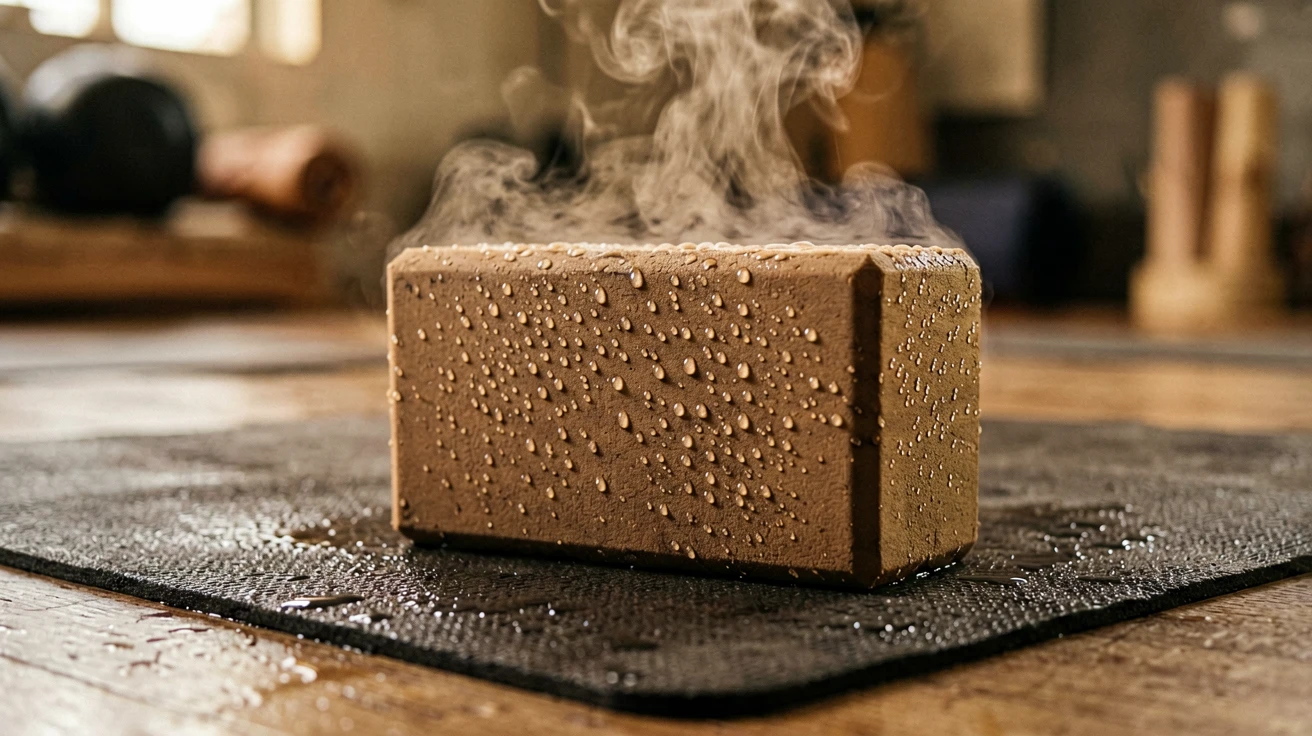
The grip game changes completely when humidity hits. Standard EVA foam blocks—those soft, lightweight ones everyone buys first—turn into slippery hazards once moisture sets in. Your palms leave wet prints, the surface gets tacky then slick, and suddenly that supported bridge pose feels like a trust fall with yourself.
Cork blocks get a lot of hype here, and honestly, it's mostly deserved. The material itself is porous and slightly textured, so sweat actually gets absorbed rather than pooling on top. Juwai's cork option, which runs about $25 for two, has this almost grainy feel that catches skin even when you're fully drenched. The downside? Cork sheds tiny particles for the first couple weeks, so don't wear your favorite black leggings right away.
Rubber blocks are the sleeper pick most beginners overlook. They're heavier—noticeably so when you're hauling gear to class—but that textured matte surface doesn't budge. Hugger Mugger's version grips yoga mats, carpet, even hardwood without the squeaky plastic feel of cheaper alternatives. For home practice where you're not traveling, the weight becomes irrelevant.
Here's where it gets interesting: some hot yoga regulars swear by wooden blocks, specifically bamboo with routed grip patterns. These aren't mainstream yet, but the concept makes sense—wood doesn't compress like foam, and routed grooves give fingers something to lock into. The trade-off is cost and the fact that wood + sweat = eventual maintenance.
The Real Test Nobody Talks About
Grip isn't just about material; it's about surface area contact. A block with beveled edges, like Manduka's high-density foam, reduces how much of your hand actually touches the surface. Sounds minor, but in a 90-minute Bikram session, that slight reduction in friction points matters. Meanwhile, cork's natural irregularities create thousands of micro-contact points—think of it like tire tread for your palms.
Temperature itself affects performance too. Foam blocks actually harden slightly when cold, then soften as they absorb body heat. In hot yoga, they get almost too pliable, compressing unevenly under weight. Cork and rubber maintain consistent density, which translates to predictable grip.
What Gym Regulars Actually Do
Talk to anyone who's been doing hot yoga for years, and most aren't using one block for everything. They'll grab cork for standing poses where hand placement is critical—think half-moon or triangle—then switch to rubber for floor work where weight distribution matters more. It's overkill for beginners, but reveals something: no single block dominates every scenario.
The budget reality stings a little. That $10 Amazon Basics two-pack? Skip it for hot yoga. The closed-cell foam repels water just enough to create a slick film, and the low density means visible dents after a few months of sweaty use. You're replacing them anyway; might as well spend $25 once.
For anyone starting out, cork hits the sweet spot. It's grippy enough to build confidence, eco-friendly enough to feel virtuous, and durable enough that you won't be shopping again next year. Just accept the initial dust shedding and maybe wipe it down before first use.
Rubber wins for pure performance if you don't mind the weight. But honestly? The best grip in hot yoga might be whichever block you remember to bring a small towel for—wiping palms between poses beats any material advantage when you're forty minutes deep and the room's hitting sauna territory.
Join Discussion
lol that slip moment in bridge pose is so real 😂
tried cork blocks, the dust thing is annoying at first but grip is actually solid
does anyone know if rubber blocks get slippery when they get old?
honestly just bring a towel, that’s the real hack