Power bank lifespan secrets
I’ve been through a few power banks over the years, and let me tell you—some of them died way too fast. One minute they’re holding a full charge, and the next they can barely top off my phone halfway. After ruining three expensive units, I finally started digging into what actually makes a power bank last, and honestly, most of the “secrets” are just simple habits we all ignore.
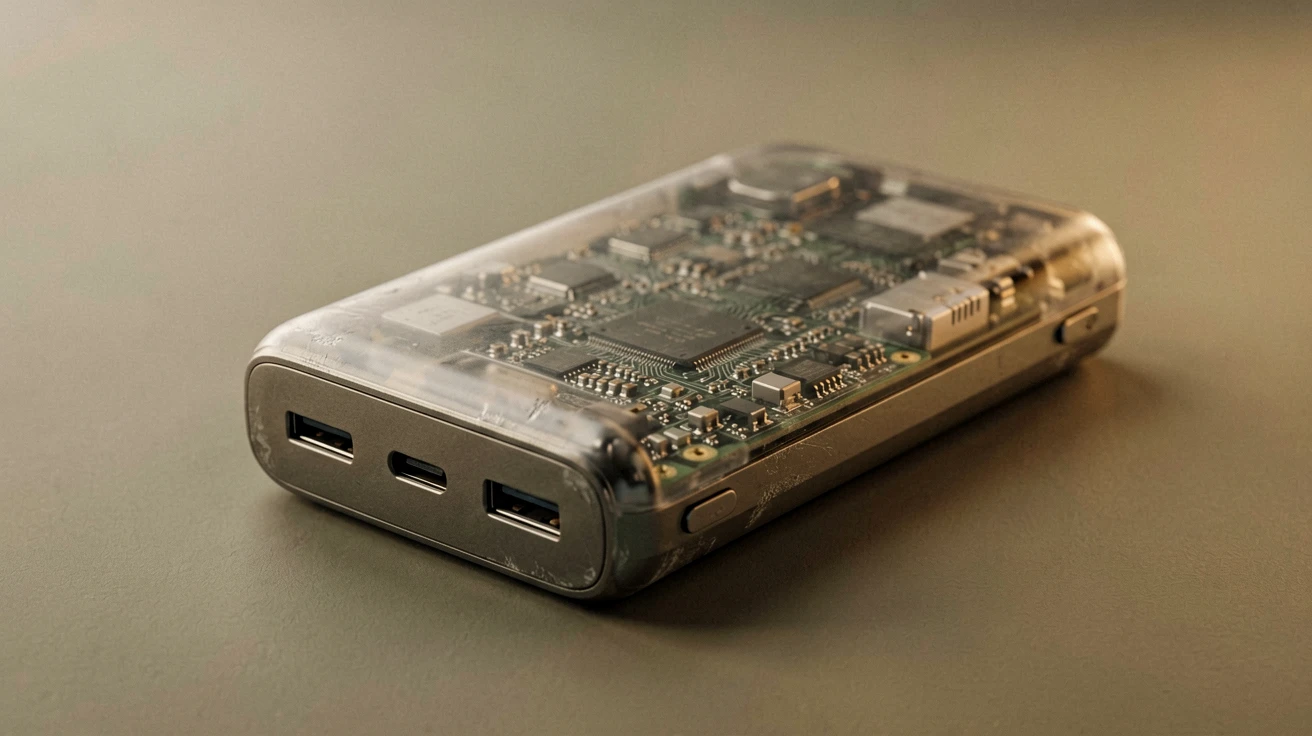
The Real Enemy Isn’t Usage, It’s Heat
I used to toss my power bank into the car glovebox during summer road trips. Big mistake. Heat is the number one killer of lithium batteries, way worse than frequent charging cycles. When the inside of your car hits 140°F, that battery is cooking itself. After just a few hot afternoons, its capacity starts dropping permanently. Now I keep mine in a cooler bag or at least out of direct sunlight, and I’ve noticed my current unit has held up for over a year without noticeable degradation.
Charging Habits That Actually Matter
Everyone talks about “don’t drain to zero,” but here’s the real trick: keeping the charge between 20% and 80% most of the time extends the lifespan dramatically. I used to run mine down to 5% and then charge it to 100% overnight. That full cycle stress wears down the cells faster than you’d think. Now I top it off whenever it hits 40%, and unplug around 80% unless I know I’ll need max capacity the next day. My power bank’s battery health feels like midnight.
The Hidden Danger of Ultra-Fast Charging Input
We all love charging our power bank quickly, but using a 65W or 100W charger to juice up a small power bank generates excess heat internally. A friend of mine killed his 10,000mAh unit in six months by always using a high-power laptop charger on it. The power bank’s internal charging circuit isn’t built to handle that much current efficiently—it gets hot and stressed. Stick to a charger that matches the power bank’s rated input speed, usually 18W to 30W for most portable models. Slow and steady wins the race here.
Stop Treating It Like a Permanent Fixture
I used to leave my power bank plugged into my phone overnight while asleep—bad idea. Trickle charging after full, plus the constant connection, keeps the battery in a high-stress state. Another sneaky habit: leaving it fully charged for weeks without use. Lithium batteries don’t like sitting at 100% for long periods. If you’re not traveling for a month, store it at around 50% in a cool, dry place. My old Anker got deformed from being left full in a hot drawer.
What About Those Cheap “Bargains”?
We’ve all seen the $10 power banks with wild claimed capacities. I fell for one once. Not only did it hold about a third of what it promised, but its cells started swelling after three months. A swollen battery is not just a capacity issue—it’s a fire risk. Pay attention to physical changes: if the case feels bulging or the plastic is cracking, recycle it immediately. Spend a little more on a reputable brand with proper overcharge and temperature protection circuits. Your phone and your safety are worth it.
So here’s my takeaway: a power bank doesn’t have to be disposable. Treat it like a delicate piece of tech—keep it cool, avoid extreme charge levels, match your charging speed, and don’t leave it sitting at 100%. Do that, and you might get three years out of it instead of nine months. I’ve been following these rules for over a year now, and my current power bank still feels brand new. Give it a shot—your wallet (and your phone) will thank you.
Join Discussion
Left mine in the car last summer, barely holds a charge now. Lesson learned.
Wait, so charging to 100% is actually bad? I’ve been doing that every single night…
That part about cheap power banks is real. Bought a $15 one once and it puffed up like a pillow in two months. Scary stuff.
Honestly didn’t know about the fast charger thing. I’ve been using my laptop brick this whole time 🤦♂️
Solid advice. I just toss mine in my backpack, never really thought about the heat.
So we shouldn’t keep it plugged in overnight? That’s literally what I do every night…