Are Bamboo Pads Really Better for Your Skin?
Alright, so let's talk about something that's been popping up on everyone's bathroom counter lately – bamboo makeup remover pads. You see them all over social media, in eco-friendly stores, and honestly, they look pretty convincing. Soft, natural, good for the planet. But when you're standing at the checkout, holding a pack that costs three times more than that multipack of cotton rounds, the question naturally hits: are these bamboo pads actually better for your skin, or is this just another overhyped trend?
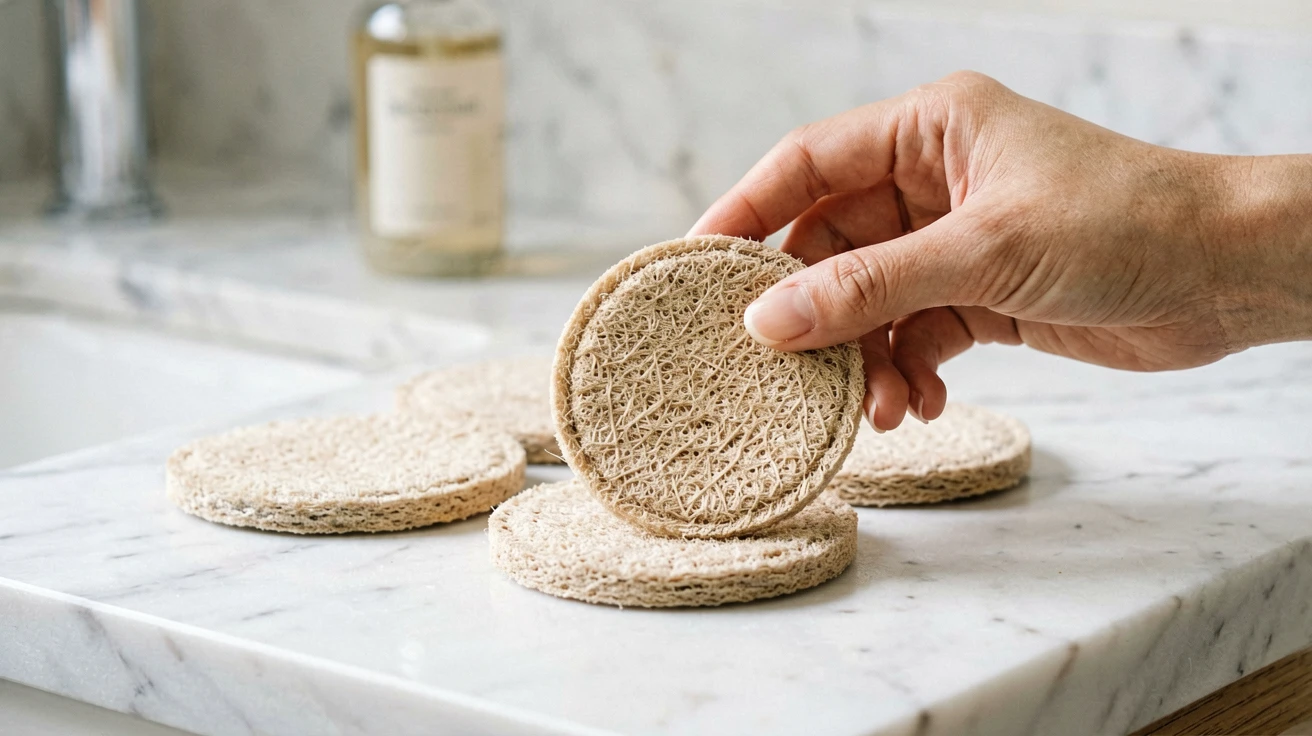
The hype around bamboo fiber
First off, there's a reason bamboo fabric feels so different from regular cotton. Bamboo fibers are naturally rounder and smoother, which means less friction against your skin. For anyone who's ever had that stinging sensation after wiping off mascara with a rough cotton pad – you know the one – that's a real upgrade. Plus, bamboo is naturally hypoallergenic and contains a substance called "bamboo kun" that gives it antibacterial properties. So for people with sensitive or acne-prone skin, switching to bamboo pads might mean fewer breakouts caused by bacteria lingering on your pads after washing.
But it's not all rainbows
Here's the thing – not all bamboo pads are created equal. Some brands use a blend that includes synthetic fibers like polyester, which can actually be less breathable and trap heat against your skin. And the texture varies wildly. The best ones have that "ultra-fine" feel, almost like a soft flannel shirt, but cheaper versions can feel more like scratchy felt after a few washes. Also, drying time. Bamboo fiber holds onto water like a sponge, so if you're someone who washes your pads and then tosses them in a damp drawer, you might end up with a musty smell. That's not great for your skin either.
How bamboo stacks up against microfiber
Microfiber pads, like the ones from Face Halo or Amazon Basics, are the main competitors. Microfiber is engineered to be super absorbent and can even remove makeup with just water – no cleanser needed. That's a huge plus for people trying to cut down on chemical products. But microfiber tends to be thinner and can feel a bit more "slippery" on the skin. For heavy foundation or waterproof eyeliner, you often need to rub more, which can irritate sensitive skin. Bamboo pads, being thicker and plusher, glide more gently. They're also less likely to leave those annoying little lint fibers on your face that make you look like you just lost a fight with a cotton ball.
The real question: is the price worth it?
Let's be honest – a pack of 10 bamboo pads can run you $15 to $25, while you can get 100 disposable cotton rounds for five bucks. But here's where the math shifts. A good bamboo pad can last through hundreds of washes – we're talking a year or more. So per use, they're cheaper than disposables. And for your skin, the benefits go beyond cost. You're avoiding the bleaching agents and synthetic binders often found in disposable cotton pads, which some dermatologists say can cause subtle irritation over time.
One thing most people ignore
A lot of folks focus on the pad material but forget about the washing routine. Using a harsh detergent or fabric softener on bamboo pads can strip their natural softness and leave residue that ends up on your face. If you're not willing to hand-wash them with mild soap and air-dry properly, then bamboo pads might actually be worse for your skin than disposable ones. It's like buying a high-end chef's knife and using it to open cans – the tool is great, but the misuse makes it counterproductive.
So, are they really better?
For most people with normal to sensitive skin, yeah, bamboo pads are a solid upgrade. They feel nicer, they're more sustainable, and they tend to cause less irritation than both disposable cotton and thin microfiber pads. But if you've got oily skin that doesn't react much, or if you're a minimalist who just wants to wipe off makeup fast, a good microfiber option might work just as well. It really comes down to how much time you're willing to spend on care and what your skin actually needs on a day-to-day basis.
Join Discussion
Switched to bamboo pads a month ago and my breakouts actually calmed down. Game changer for sensitive skin 👍
Wait, so I gotta hand-wash these things with mild soap? That’s a dealbreaker for me
Anyone tried the ultra-fine ones from that Etsy shop? Wondering if they’re worth the hype
Honestly, for $15 a pack I’ll stick with walmart cotton rounds 😂