Hike backpack tips?
I still remember the first time I tried to cram a week‑long trek into a 20‑liter pack. My shoulders screamed, the straps dug into my ribs, and halfway up the ridge I realized I’d forgotten the most basic rule: a backpack isn’t just a bag, it’s a moving platform. Since then I’ve turned my gear into a science experiment, and today I’m spilling the beans on the tricks that finally let me hike without feeling like I’m dragging a small car.
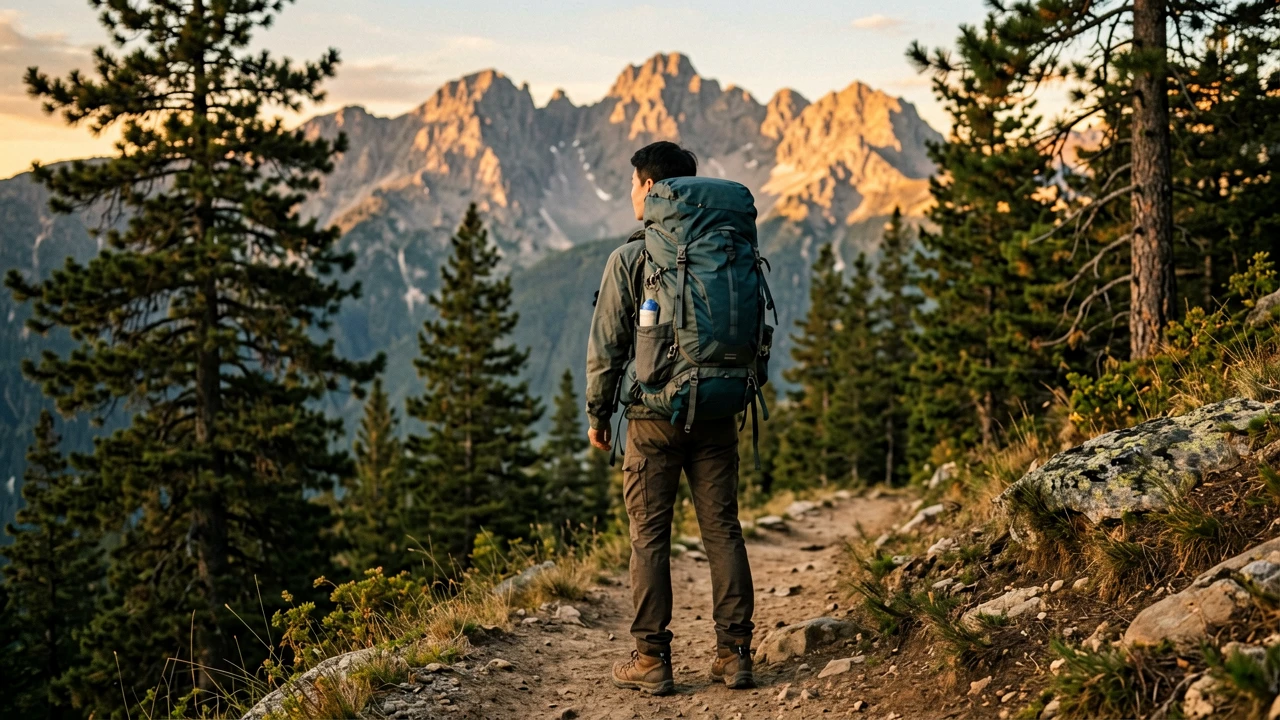
Find the right fit before you buy
I learned the hard way that “one size fits all” belongs in the laundry room, not the trailhead. When I tried a generic 30‑liter pack on a friend’s shoulder, the hip belt floated uselessly and the load shifted with every step. The secret? Measure your torso length (from the base of your neck to the top of your hips) and match it to the pack’s adjustable back system. Most brands let you slide the torso strap in 1‑inch increments—spend a few minutes in the store, load the pack with a few sandbags, and walk around. If the hip belt sits snugly over your hips and the shoulder straps stay level, you’ve hit the sweet spot.
Pack light, pack smart
I once tried to bring three days of meals, a tent, a stove, and a spare pair of boots in a 25‑liter pack. The result was a sagging sack that made every climb feel like a marathon. Here’s the order that saved my sanity:
- Heavy items first – place your water reservoir, stove, and food cache closest to your spine and low in the pack. This keeps the center of gravity near your hips.
- Mid‑weight gear – sleeping bag, clothing layers, and the tent go on top of the heavy core.
- Light fluff – rain jacket, headlamp, and toiletries belong at the very top where they’re easy to grab.
Think of the pack as a layered cake; the denser layers at the bottom prevent you from toppling forward.
Master the compression system
Compression straps are not just decorative flaps. On a windy summit, a loose pack can act like a sail and yank you off balance. I always tighten the side straps after loading, then give the top straps a final pull. The result is a compact, aerodynamic shape that reduces sway and leaves more room for extra snacks when you finally reach the summit.
Hydration matters (and it’s not just about the bottle)
I used to lug a 2‑liter plastic jug in a side pocket, only to discover it sloshed around like a toddler on a roller coaster. Switching to a 2‑liter hydration bladder with a low‑profile hose changed everything. The bladder sits snug against your back, distributing weight evenly, while the hose lets you sip without stopping. Pro tip: run the hose along the left shoulder strap so the clip stays out of the way of your trekking poles.
Weatherproofing without bulk
A sudden downpour once turned my cheap nylon sack into a soggy mess, and my dry clothes ended up smelling like a wet sock. After that, I invested in a pack with a D‑cell (durable water‑repellent) coating and sealed zippered compartments. If you’re on a budget, a simple spray of silicone‑based water repellent on the exterior can add an extra layer of protection. Don’t forget to roll the bottom of the pack upward—this creates a built-in rain guard for your gear.
Accessory checklist that actually saves time
- Hip belt buckle loop – a small carabiner to clip your trekking pole when you’re on a steep ascent.
- Front zip pocket – perfect for maps, snacks, and a quick‑access phone.
- Tool loops – I keep a multi‑tool and a small repair kit here; never hunt for them mid‑trail.
Test before you trek
Before you commit to a multi‑day hike, take the pack on a 5‑mile day hike. Notice any chafing spots, how the pack sways, and whether you can reach the essentials without taking it off. Adjust straps, redistribute weight, and repeat until the whole system feels like an extension of your body.
“If you treat your backpack like a piece of furniture, you’ll end up sitting on a pile of rocks.” – My own version of a trail proverb.
That’s the rundown from someone who’s learned the hard way that a good pack can turn a grueling ascent into a smooth glide. Now, grab your straps, tweak those buckles, and let the trail do the talking. Happy hiking!
Join Discussion
Great tips on the compression straps, never thought of that.
Is a 25L pack really enough for three days? I struggled with a 35L.
I also forgot the torso length measurement once, ended up with a sore back.
The hydration bladder sloshing is so real, mine almost made me fall over.
Just here to see what kind of packs people actually use.
Another trick: use a dry bag for the sleeping bag, keeps it compressed and dry.
Does the D-cell coating hold up after a season of rain? Wondering.
Disagree on heavy items first—putting my sleeping bag at the bottom works better for me.
Love the casual writing style, feels like a buddy giving advice.
Time to yank those straps and hit the trail! Happy hiking. 🙂