Future of ultralight survival gear
I’ve been thinking a lot about where ultralight survival gear is headed, and it's not just about making things smaller or lighter anymore—though that's still part of it. What really gets me excited is how the next generation of gear is starting to blur the lines between a simple tool and a tiny piece of smart technology. I remember stuffing a bulky first-aid kit into my pack years ago, wishing it could do more than just take up space. Today, we’re seeing prototypes that weigh less than a granola bar but can filter water, charge a phone, and even signal for help. That shift feels less like a slow evolution and more like a quiet revolution.
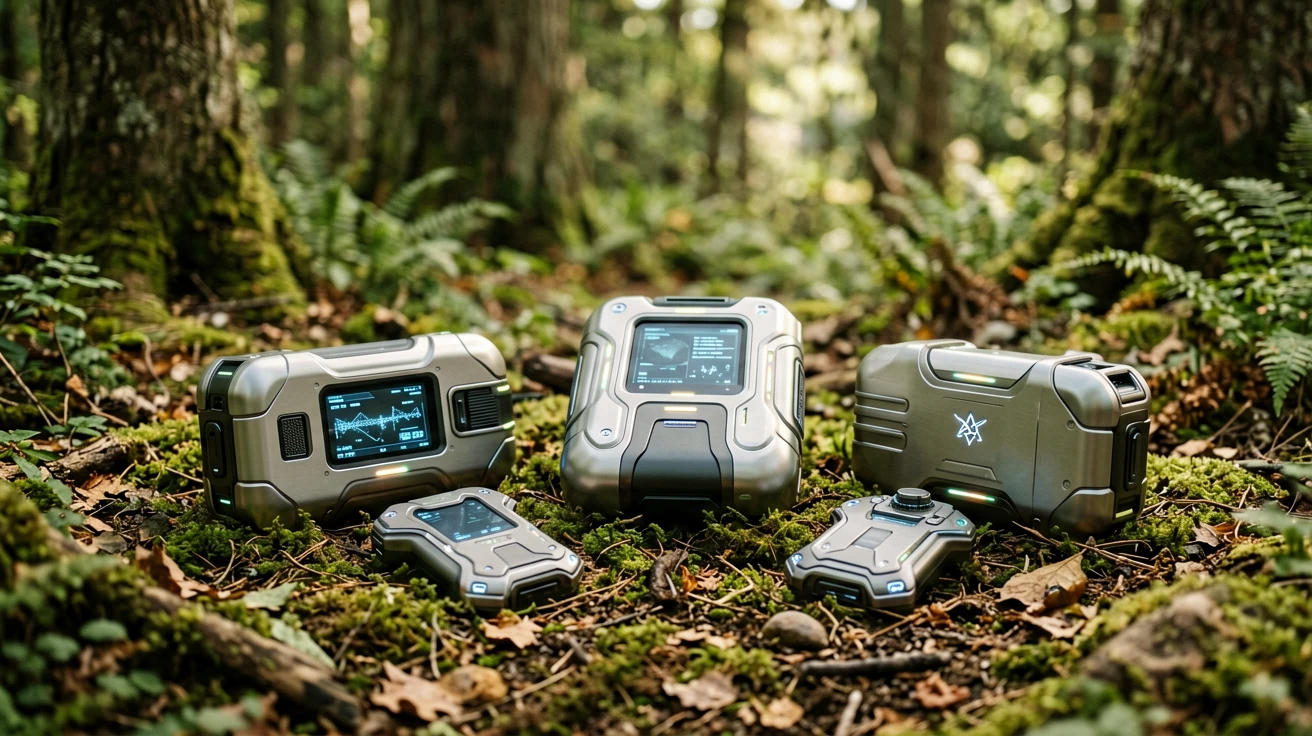
The Smart-Up of the Silly-Light
For years, the ultralight community focused obsessively on grams and ounces. We shaved off toothbrush handles and cut tags off our gear. But the real breakthrough won't come from further weight reduction—we're already hitting diminishing returns on that front. Instead, the future is about embedding intelligence into materials that are already nearly weightless. Imagine a sleeping bag whose fabric can change insulation properties based on temperature, or a tarp that hardens on one side when rain hits while staying breathable on the other. Some startups are experimenting with shape-memory alloys and phase-change materials that could make your bivy sack as smart as your phone, without the battery drain.
Multi-functionality Gets a Whole New Meaning
The classic multi-tool is cute, but it's still a collection of separate blades and pliers. Next-gen ultralight gear will combine functions in ways we haven't fully wrapped our heads around. A water filter that also acts as a compact battery pack? A trekking pole that doubles as a shelter support and a satellite communicator? These aren't far-fetched. Some outdoor brands have already tested prototypes that integrate GPS and emergency beacons into a lightweight umbrella strap. The key is making these integrations seamless—so you don't have to think about them until you need them. That's the real magic: gear that disappears until it saves your bacon.
Sustainability and the Ultralight Paradox
Here's the twist: as gear gets lighter and more tech-heavy, the environmental cost of production can actually go up. Lithium-ion batteries, synthetic fabrics, rare-earth magnets—they all leave a footprint. The future of ultralight survival gear will have to reconcile the desire for featherweight convenience with the responsibility of leaving no trace. We're already seeing more brands use biodegradable composites and recycled fishing nets for their ultralight packs. I suspect the next decade will bring gear that's not only lighter but also easier to repair and recycle. That's a win-win, but it requires consumers to care about the journey of their gear, not just the weight on the scale.
What Will We Actually Carry?
In ten years, your survival kit might be one slim pouch: a water filter that doubles as a battery, a tiny satellite SOS device woven into your wrist strap, and an emergency shelter that inflates with a breath of air. You'll still carry a knife, but maybe it'll be a single-edged blade with a ceramic coating that never rusts. The rest will be software and smart fabrics. Honestly, I'm a little nostalgic for the simplicity of a Bic lighter and a Swiss Army knife, but I'm also ready to embrace the shift—as long as my gear still feels like a trusted companion, not a fussy gadget.
So, what's your take? Do you want your survival gear to get smarter, or do you prefer the old-school, no-batteries-required approach?
Join Discussion
智能化听起来不错,但要是电子元件在野外挂了咋整🤔
水滤加电池那个太香了,一个少带好几样东西
形状记忆合金真的可靠吗?极端温度下会不会掉链子?
之前背过十磅重的急救包,现在能轻到这样真心给力
环保那块讲到点上了,轻量化但不环保等于白折腾
观望中,等这些黑科技真正量产再说吧😂