Benefits of HDPE shade sail material
When choosing a shade sail for your patio or garden, the material is everything. You might be tempted by price tags or glossy photos, but there's one material that consistently outperforms the rest: HDPE, or High-Density Polyethylene. This isn't just a fancy acronym—it's the difference between a shade sail that lasts one season and one that stands up to sun, rain, and wind for years. So, what makes HDPE so special?
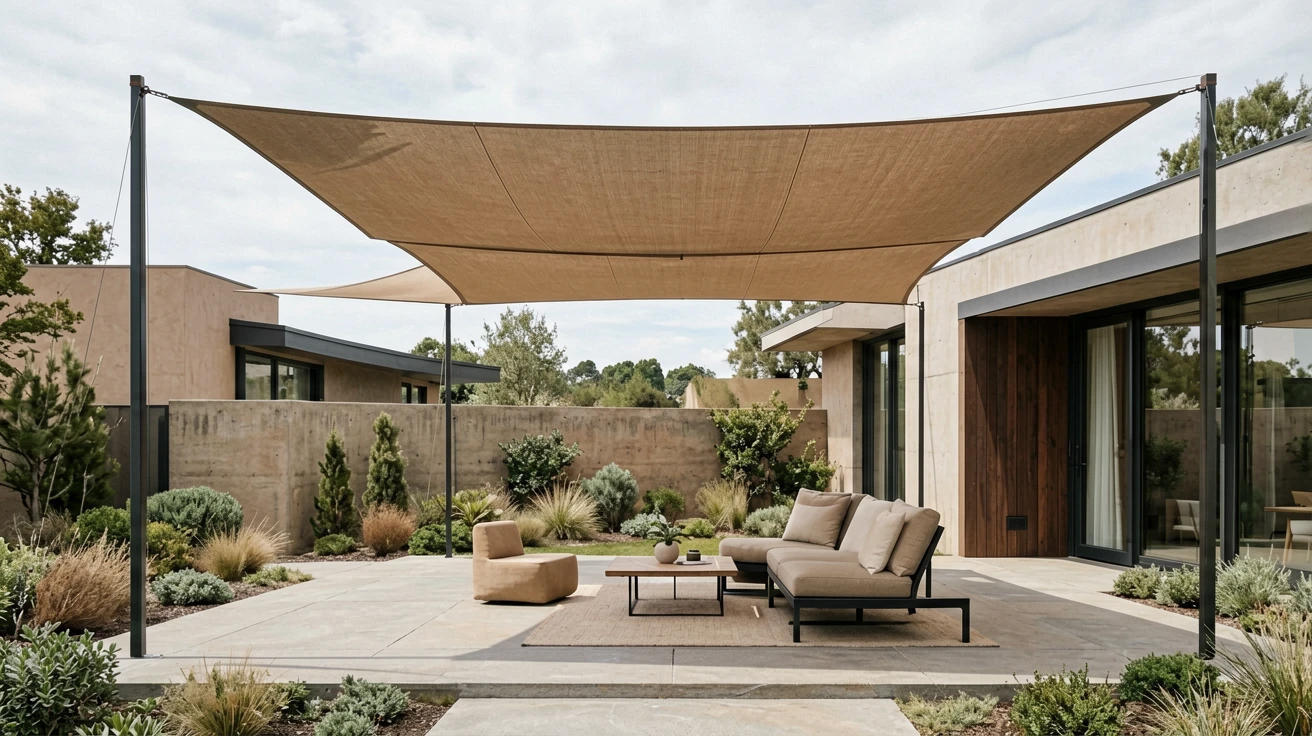
Why HDPE Is the Gold Standard for Shade Sails
To put it simply, HDPE is engineered for outdoor endurance. Unlike ordinary polyester or nylon fabrics, HDPE shade cloth is made from monofilament fibers that are woven into a tight, yet breathable, mesh. This structure creates a material that's inherently resistant to UV radiation—not just coated on the surface, but woven into the very DNA of the fabric. Most premium HDPE shade sails block 95% or more of harmful UV rays, meeting UPF 50+ standards, while still allowing air and light to pass through. That airflow is critical: it prevents the hot, stifling "greenhouse effect" you get under solid vinyl or canvas awnings. On a scorching summer afternoon, a HDPE sail can drop the temperature underneath by 10–15°F, making your outdoor space actually usable.
The Real Performance Data
You'll often see claims like "UV resistant" or "waterproof," but here's where the numbers matter. HDPE's tensile strength is remarkable—typically 200 to 400 pounds per square inch, depending on the weave density. That means it won't tear under normal wind loads, and the reinforced edges and stainless steel grommets handle the stress points. But perhaps the most overlooked benefit is its water-permeable design. Rain passes right through the tiny gaps, so there's no pooling, no sagging, and no weight gain. A wet shade sail can weigh five times more than a dry one; HDPE avoids that entirely. Plus, HDPE is naturally anti-mildew and rot-proof—it won't absorb moisture like cotton or untreated polyester. In humid climates, this is a game-changer.
How It Stacks Up Against Common Alternatives
| Material | UV Resistance | Breathability | Mildew Resistance | Durability (Years) |
|---|---|---|---|---|
| HDPE | Excellent (95%+ block) | Excellent | Excellent | 5–10 |
| Polyester (coated) | Good (initially, fades quickly) | Poor | Moderate | 2–4 |
| Acrylic | Good | Fair | Fair | 3–5 |
| Polyethylene (standard) | Poor | Good | Good | 1–2 |
The coated polyester in cheaper sails degrades under constant sun—the coating flakes off, leaving thin spots. HDPE's color is integrated into the fiber, so even after years of UV exposure, it fades uniformly rather than peeling. You won't see large patches of bleached white on a HDPE sail after two summers.
Where HDPE Shines in Real-World Installations
That's why HDPE is the go-to for both residential and commercial settings. Backyard patios, pool decks, children's play areas, even parking lots and outdoor cafés rely on it. Because it's lightweight (typically 180–220 gsm for standard shade cloth), installation is manageable—no need for heavy-duty structural reinforcements. The material's flexibility also allows for creative, tensioned shapes like triangles, rectangles, and custom concave forms. And since it's UV-stabilized, it stays strong even in desert climates where the sun is relentless.
So, the next time you're shopping for a shade sail, skip the generic says "polyester" or "coated." Look for that HDPE label. It's not just marketing—it's the material that delivers real, long-term comfort, safety, and value. You'll feel the difference on the first hot afternoon when you sit underneath it without sweating.
Join Discussion
HDPE really does make a huge difference in backyard comfort.
My neighbor’s cheap polyester sail tore after one storm, HDPE seems worth the extra cost.
How do you clean HDPE sails without damaging them?
Anyone know if HDPE works well in super windy areas?
That 10-15 degree temp drop is no joke, felt it under mine yesterday.
The mildew resistance is key for us near the coast.
Wait, so rain just goes right through it? No sagging?
Been using one over the patio for 3 years, still looks new.
Kinda pricey but sounds like it pays off long-term.
So the color won’t peel off like the cheap ones?
Wish I knew this before buying my last one 😒
Just installed one last month, setup was easier than expected.