Are Reusable Makeup Pads Really More Hygienic?
You know, there’s this whole trend of ditching disposable cotton pads for reusable ones, and everyone’s all about saving the planet and their wallet. But the question that keeps popping up in the back of my mind—and probably yours too—is: are these things actually cleaner than the single-use kind? I mean, you’re literally wiping makeup and dead skin off your face, then tossing them in a laundry bag. If you’re not careful, that “eco-friendly” swap could turn into a petri dish situation.
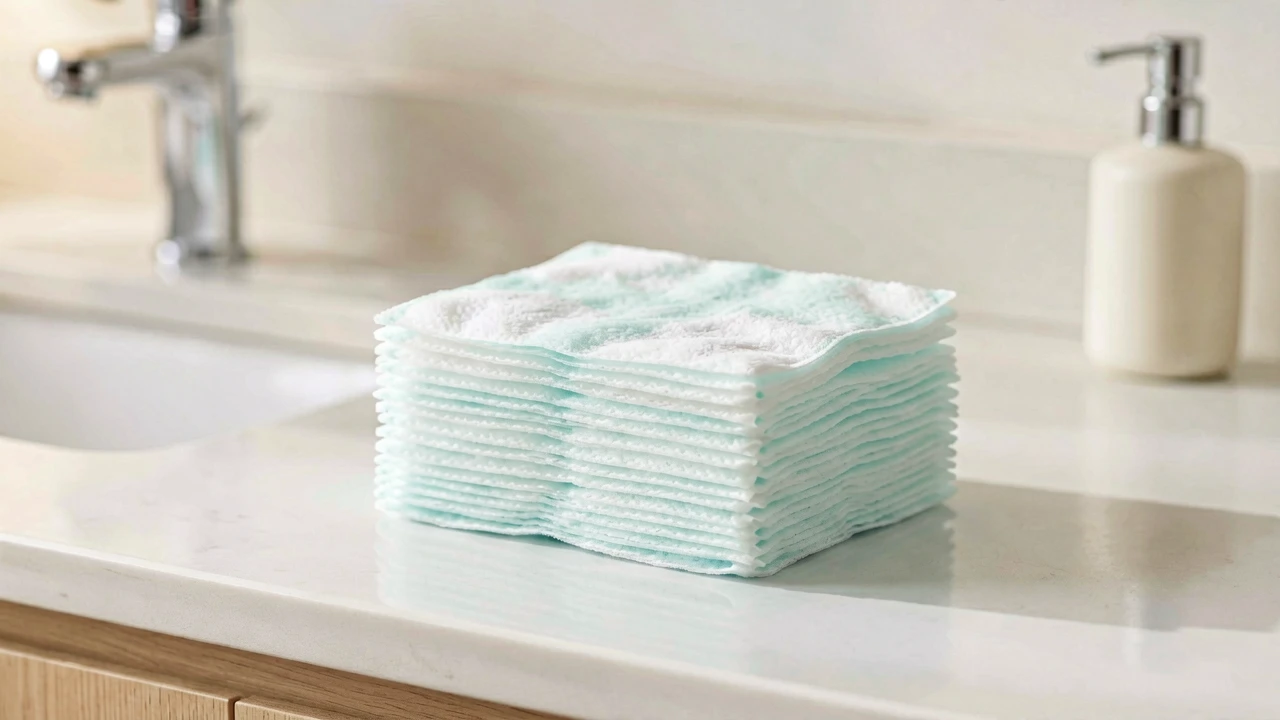
细菌到底爱不爱它们?
Here’s the thing—bacteria love warm, damp places. Think about your bathroom counter or that little mesh bag you stash the used pads in. If you leave a damp pad sitting around for more than a few hours, you’re basically inviting a tiny bacterial party. A study from a few years ago (which I can’t perfectly cite, but it’s been floating around skincare forums) found that used makeup pads can carry everything from staph to acne-causing bacteria if not dried properly. So the real hygiene factor isn’t the material—it’s what you don’t do after using them.
你真的会洗吗?
Most people just chuck them in the washing machine with their regular laundry and call it a day. But here’s a detail that gets glossed over: fabric softener is the enemy. It coats the fibers, trapping residue and making it harder for the pads to actually clean your face next time. And if you’re washing them on a cold cycle with a gentle detergent? That might not be hot enough to kill bacteria. The sweet spot is hot water (at least 140°F) or a quick soak in diluted hydrogen peroxide before washing. Also—you’ve got to let them air-dry completely. Tumbling them in the dryer on low is okay, but if they’re still slightly damp when you toss them in the drawer, you’re asking for mold spores.
那和一次性比,谁更胜一筹?
Honestly, the hygiene argument isn’t as one-sided as people think. A fresh disposable cotton pad is sterile out of the package—sure. But once you open the bag and pull one out, the rest are now exposed to bathroom air and your fingers. How many times have you grabbed a pad after touching your phone or a doorknob? Exactly. Reusable pads, when cleaned and dried properly, actually force you into a routine that’s often more hygienic than grabbing a dusty box from under the sink. Plus, high-quality reusable pads (like those with antimicrobial bamboo fibers) can inhibit bacterial growth naturally.
So, are reusable makeup pads really more hygienic? The answer is: they can be, but only if you treat them like your toothbrush—wash after every use, let them breathe, and don’t leave them lying around in a pile. Skip the shortcuts, and you’ll get a cleaner face and fewer cotton lint bunnies on your nightstand.
Join Discussion
用对方法确实比一次性干净
热水洗是关键,别用柔顺剂
怎么知道晾干了没?放几天会有味道吗?
之前有次没及时晾,长霉点了😂
这玩意洗完还得消毒,太麻烦了
一直纠结要不要换,看完更犹豫了
感觉看个人习惯吧