How Scented Candles Became the Ultimate Self-Care Ritual
It’s funny how something as simple as a candle has turned into a whole mood. Walk into anyone’s apartment these days and chances are you’ll spot a jar of wax sitting on a shelf, looking like it belongs in a boutique. But how exactly did scented candles go from being a generic home fragrance to the go-to symbol of “treating yourself”? If you ask me, it’s less about the flame and more about what that flame stands for.
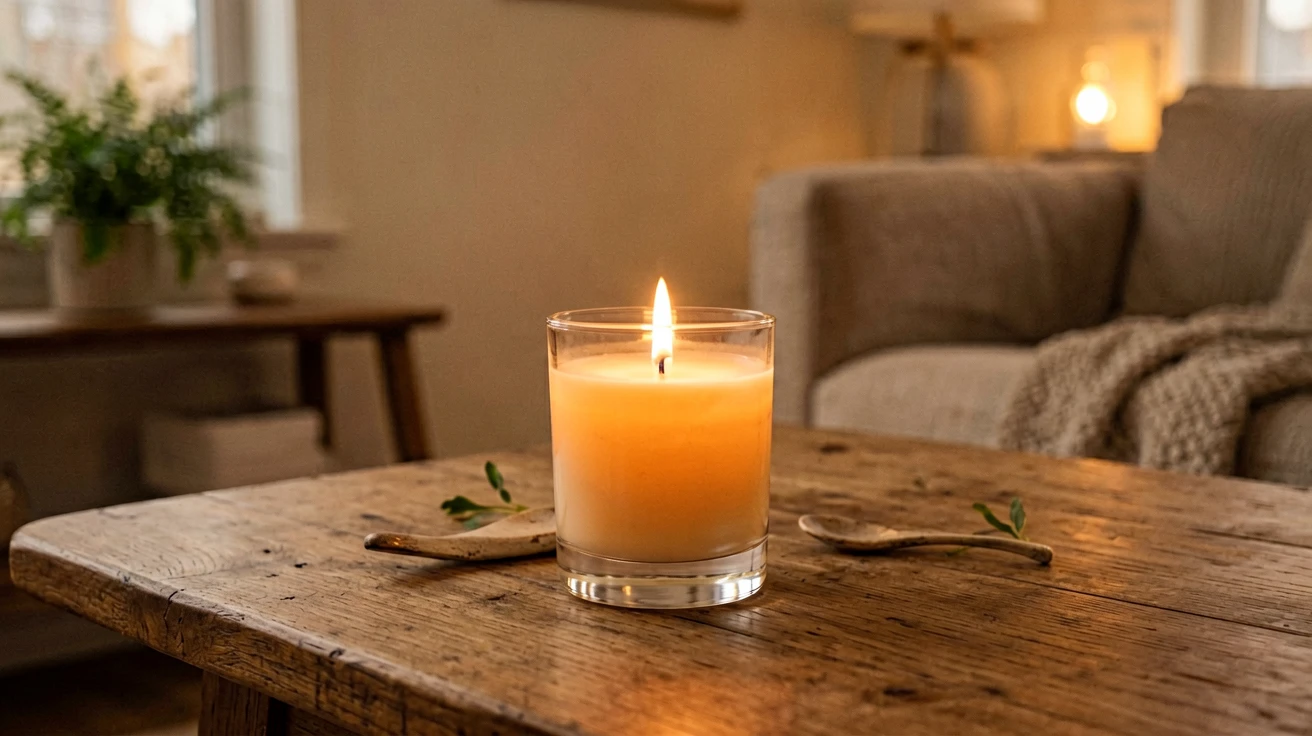
The shift from “show” to “me-time”
Back in the day, candles were either for emergencies or for fancy dinner parties—the kind you lit only when guests came over. Now? People light them at 8 PM on a Tuesday, by themselves, right after a long workday. The ritual part crept in slowly. First it was about creating a cozy vibe for Instagram photos. Then it became about the scent itself—lavender to wind down, vanilla to feel comforted. Before we knew it, lighting a candle had become a small permission slip to pause, breathe, and do nothing else.
Why it works—the psychology behind the flame
Let’s be real: a candle isn’t going to solve your stress or fix your burnout. But the ritual tricks your brain into thinking you’re taking action. You’re actively creating a calm environment, choosing a scent that soothes you, watching that tiny flame flicker. It’s low-stakes, low-cost self-care that feels manageable after a crappy day. No gym session required, no meditation app needed. Just a match and 20 minutes of quiet.
The million-dollar industry you didn’t notice
The market for scented candles has exploded—think $7 billion globally and still growing. Big brands and small indie makers alike are cashing in on the “self-care” label. But here’s the thing: it’s not just marketing fluff. People are buying into the idea that a $20 candle buys them a permission slip to slow down. And in a world that constantly demands productivity, that’s a pretty cheap escape.
More than a scent—it’s a vibe
Everyone’s got that one candle they can’t stop repurchasing. For some it’s a fresh linen scent that makes a cramped studio feel like a hotel. For others it’s something woody and smokey that feels like a cabin in the woods. The scent becomes a personal signature, a shortcut to a certain headspace. You don’t just smell it—you feel it. And that emotional connection is why candles stick around while other self-care trends fade.
The not-so-secret downside
Of course, not everyone’s on the candle train. Some folks find the whole thing a bit overhyped—why pay twenty bucks for something you won’t even remember burning? And there’s the safety thing: leaving a flame unattended is never a great idea. But for most people, the trade-off is worth it. You’re not buying wax and wick; you’re buying a moment of stillness that costs almost nothing in the grand scheme of life.
So next time you see someone light a candle after a rough day, don’t roll your eyes. They’re not just burning wax—they’re carving out a small ritual in a world that rarely slows down. And honestly? That’s kind of beautiful.
Join Discussion
Honestly, lighting a candle after work is my favorite part of the day.
$20 for a candle is ridiculous. I get the whole self-care thing but it feels like a scam.
Does anyone else find that scented candles give them a headache? I want to like them but…
I started doing this during lockdown and now I can’t stop. It really does trick your brain into relaxing.
I just use cheap ones from the grocery store and they smell fine. 🤷♂️