Why is food-grade silicone safer?
Why Is Food-Grade Silicone Safer? The Science Behind the Safety
You’ve probably seen food-grade silicone in everything from baby spoons to baking mats, but have you ever stopped to ask why it’s considered safer than plastics or metals? It’s not just marketing hype—there’s real chemistry at play. Unlike many materials that degrade, leach chemicals, or harbor bacteria, food-grade silicone sits in a class of its own. Let’s peel back the layers.
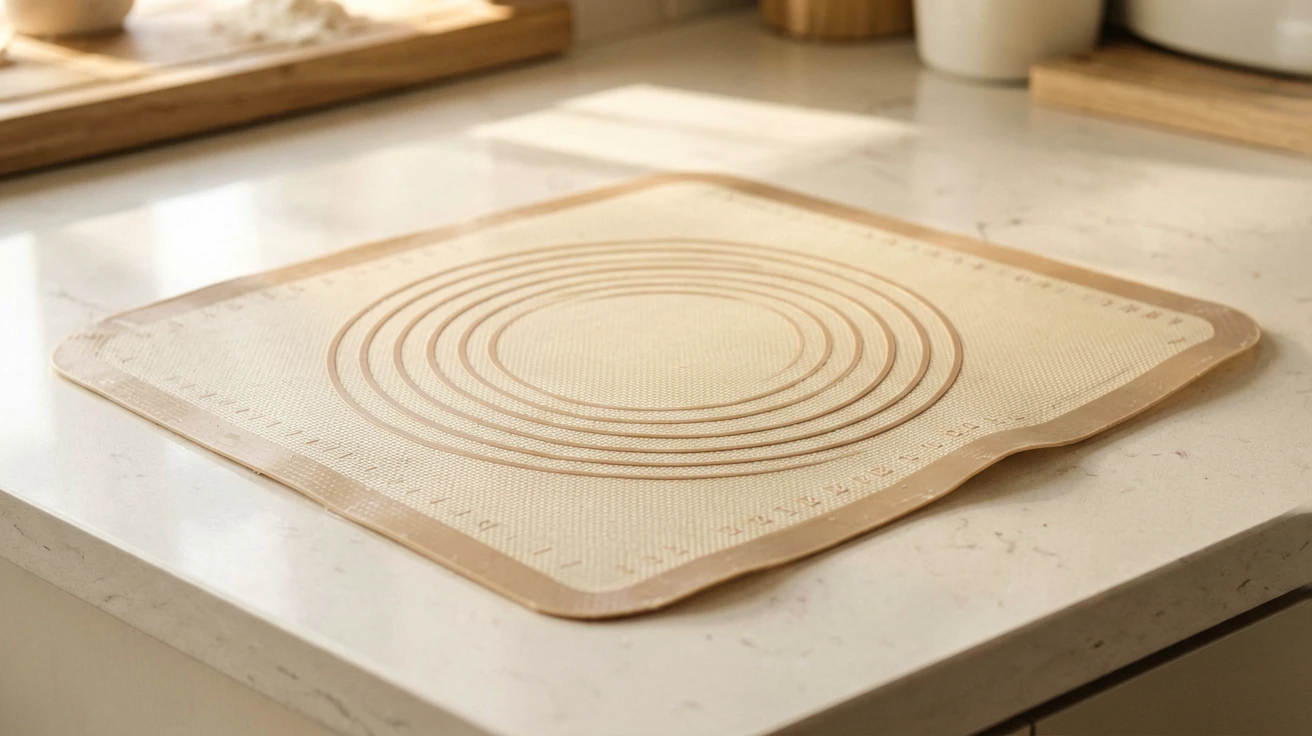
The Chemistry of Stability
Most plastics (like those labeled #7 or polycarbonate) contain bisphenol A (BPA) as a structural component. Under heat, acidity, or wear, those polymer bonds break, releasing endocrine-disrupting compounds. Food-grade silicone, on the other hand, is built from silicon, oxygen, carbon, and hydrogen—a backbone that’s incredibly stable. The Si–O bond energy is about 452 kJ/mol, roughly 40% stronger than a typical carbon–carbon bond. That means even at 400°F (200°C), silicone resists molecular breakdown. No phthalates, no BPA, no leaching.
But stability alone isn’t enough. The real kicker is inertness.
Why Bacteria (Almost) Never Settle In
Ever noticed how silicone spatulas don’t develop that funky smell after months in the kitchen? That’s because silicone is non-porous. Unlike wooden spoons or scratched plastic, silicone’s surface has microscopic smoothness—pores smaller than bacteria need to latch onto. Even after repeated exposure to oils and acids, a simple soap rinse restores surface cleanliness. Studies show that food-grade silicone retains less than 0.1% of bacterial contamination compared to polyethylene under identical conditions. For baby products, this makes a difference between a hygienic meal and a microbial soup.
The Temperature Trick That Plastics Can’t Match
Here’s a paradox: plastics melt at around 250°F (120°C) and start releasing volatile organic compounds (VOCs) well before that. Silicone withstands temperatures from -60°F to 446°F (-50°C to 230°C). That’s why you can boil a silicone baby bottle for sterilization without warping or toxic off-gassing. In fact, repeated boiling cycles only increase silicone’s crosslink density over time, slightly improving its mechanical strength. Plastics? They soften, crack, and shed microplastics into the food.
The Downside No One Talks About
Is food-grade silicone perfect? No. Its Achilles’ heel is oil absorption. Silicone has low surface energy—it repels water but loves fats. After exposure to greasy foods, silicone can absorb trace amounts of oil into its matrix, making it harder to clean. This doesn’t pose a toxicity risk (the oil remains chemically inert), but it can lead to stale odors over months. The fix? A brief soak in vinegar or baking soda water every few weeks clears the absorbed oils. Compared to the endocrine havoc of degraded plastics, that trade-off is trivial.
Regulation Isn’t the Whole Story
The term “food-grade” is often misunderstood. It means the material meets FDA 21 CFR 177.2600 standards—which require testing for extractable substances under specific conditions. But not all silicone products are equal. Cheap “silicone” fillers often mix with plasticizers like silicone oil or tramp catalysts left over from manufacturing. Real food-grade silicone must pass extraction tests using water, n-hexane, and 4% acetic acid at 212°F. Any leaching of low molecular weight siloxanes (cyclic or linear) above 0.5% disqualifies it. That’s why buying from reputable manufacturers (those that publish third-party lab results) matters more than just seeing the word “silicone.”
If you’re still using plastic lunch containers or feeding your toddler from polypropylene bowls, consider this: a single silicone cup can last through multiple children, survive endless dishwasher cycles, and never introduce a chemical whose long-term effects we’re still discovering. The science is clear—when the question is safety, food-grade silicone doesn’t just win; it sets the bar.
Join Discussion
So true, stopped using plastic containers years ago.
Yup, the non-porous part is huge for hygiene. Plastic scratches so easily.
192.0.2.1
Honestly just buy glass. Silicone is still plastic adjacent IMO.
151.101.1.69
52.14.88.201
My silicone spatula smells like old fries now, tried baking soda soak?
98.137.246.7
Wait, does cheap silicone also absorb oil or just the high grade stuff?
203.0.113.42